

Tattoos have long carried a mix of fascination, stigma, and curiosity. Many people dream of getting ink that expresses personality, commemorates a moment, or simply reflects style, yet myths often cloud the decision-making process. Fear of pain, health concerns, or societal judgment can delay or prevent individuals from pursuing body art. Misconceptions about tattoos frequently exaggerate risks or present outdated views. Understanding the realities can help anyone approach tattooing confidently and safely. From health and fading concerns to professional judgments, false beliefs circulate widely. In this guide, we will tackle five common misconceptions and clarify the truth behind them, offering clarity for those considering permanent designs and helping readers make informed choices.
Tattoos Are Extremely Painful
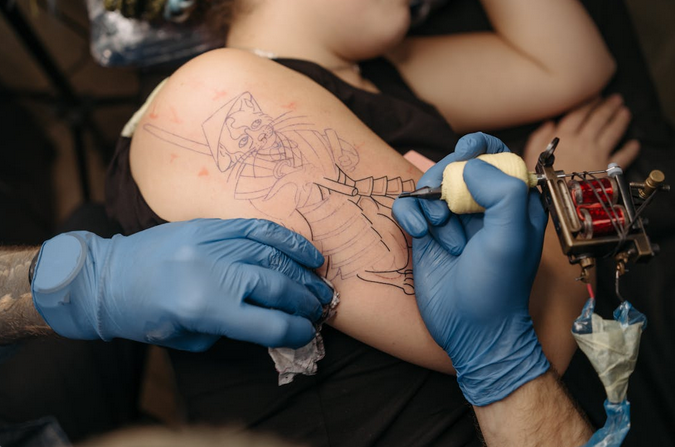
A prevailing belief is that tattoos inevitably cause unbearable pain. While discomfort varies based on personal pain tolerance and placement on the body, most experiences are manageable. Areas with more flesh, such as the upper arm or thigh, generally feel less intense than bonier regions like the ribs or ankles. Modern tattooing equipment, alongside numbing creams or gels, can further reduce discomfort. Pain is often described as a mild scratching or stinging rather than severe agony. By understanding how different body areas and techniques affect sensation, potential clients can approach the process more confidently. The perception of extreme pain is largely overstated and should not deter someone from pursuing a meaningful design.
Tattoos Are Always Permanent and Impossible to Remove
While tattoos are designed to be long-lasting, the belief that removal is impossible is incorrect. Modern laser technology allows many tattoos to fade significantly or be completely erased over several sessions. Success varies depending on ink type, color, age of the tattoo, and skin tone. While removal can be costly and may leave slight traces, it is feasible in most cases. Additionally, cover-up tattoos offer an alternative for those wanting to modify existing designs. Understanding these options dispels the fear that a tattoo is a lifelong commitment in the absolute sense. People can plan tattoos knowing they are not permanently locked into one design.
Tattoos Cause Serious Health Risks
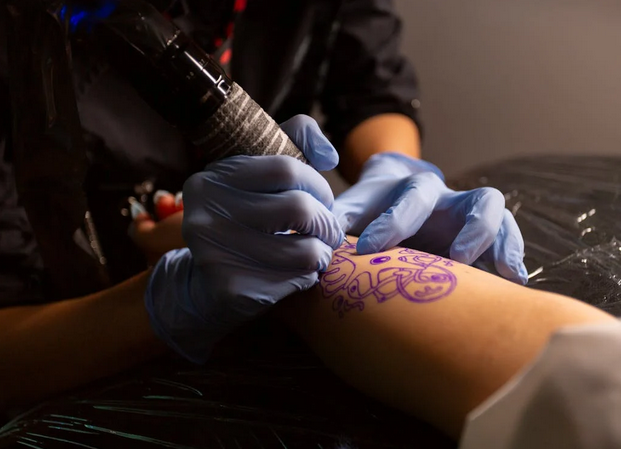
Some argue tattoos carry extreme health hazards, from infections to long-term complications. In reality, tattoos performed by licensed, professional artists in hygienic environments carry minimal risk. Proper aftercare, such as keeping the area clean and avoiding sun exposure, further reduces the chance of infection. Modern inks and equipment meet safety regulations that prevent most major health issues. While allergies to certain pigments are rare, individuals can consult a dermatologist or conduct a patch test before committing to large designs. With correct precautions, tattoos are generally safe and should not be associated with extreme health concerns.
Tattoos Fade Quickly and Lose Their Appeal
Many people believe tattoos inevitably blur, fade, or lose vibrancy within a few years. While fading does occur, its speed depends largely on sun exposure, skin type, and ink quality. Proper aftercare, such as applying sunscreen and moisturizing, preserves color and definition. Quality tattoo inks and experienced artists produce lines and shading that endure over time. Occasional touch-ups can restore vibrancy without altering the original design. Tattoos are not disposable fashion statements; with care, they retain their appeal and continue to express style or personal meaning effectively for decades.
Tattoos Limit Professional Opportunities

A widespread misconception is that visible tattoos harm career prospects or social perception. While some industries remain conservative, many workplaces have become accepting, especially with professional presentation and thoughtful design choices. Minimal or discreet tattoos can be covered during formal settings, and public attitudes continue shifting toward broader acceptance. Talent, competence, and professionalism outweigh body art in most contemporary work environments. Believing tattoos inherently limit opportunities discourages self-expression unnecessarily. Understanding the balance between visibility, workplace culture, and personal choice allows people to make informed decisions without fear of unwarranted judgment.
Tattoos are surrounded by myths that often exaggerate pain, permanence, health risks, fading, or professional consequences. By clarifying these misconceptions, potential clients can approach tattooing with confidence and realistic expectations. Proper research, professional guidance, and careful aftercare allow tattoos to remain meaningful, attractive, and safe for years to come. Choosing to get a tattoo can be a deliberate and rewarding form of self-expression rather than a source of regret or fear.